The COVID19 pandemic has caused more and more educational institutions and in-person classes to go online.
With the adoption of new reality conditions such as lockdowns and change in lifestyle such as isolation and lockdown restrictions, it was near to impossible for education systems to carry on as before. Most institutions and colleges had to go online and create online learning platform to ensure continuity.
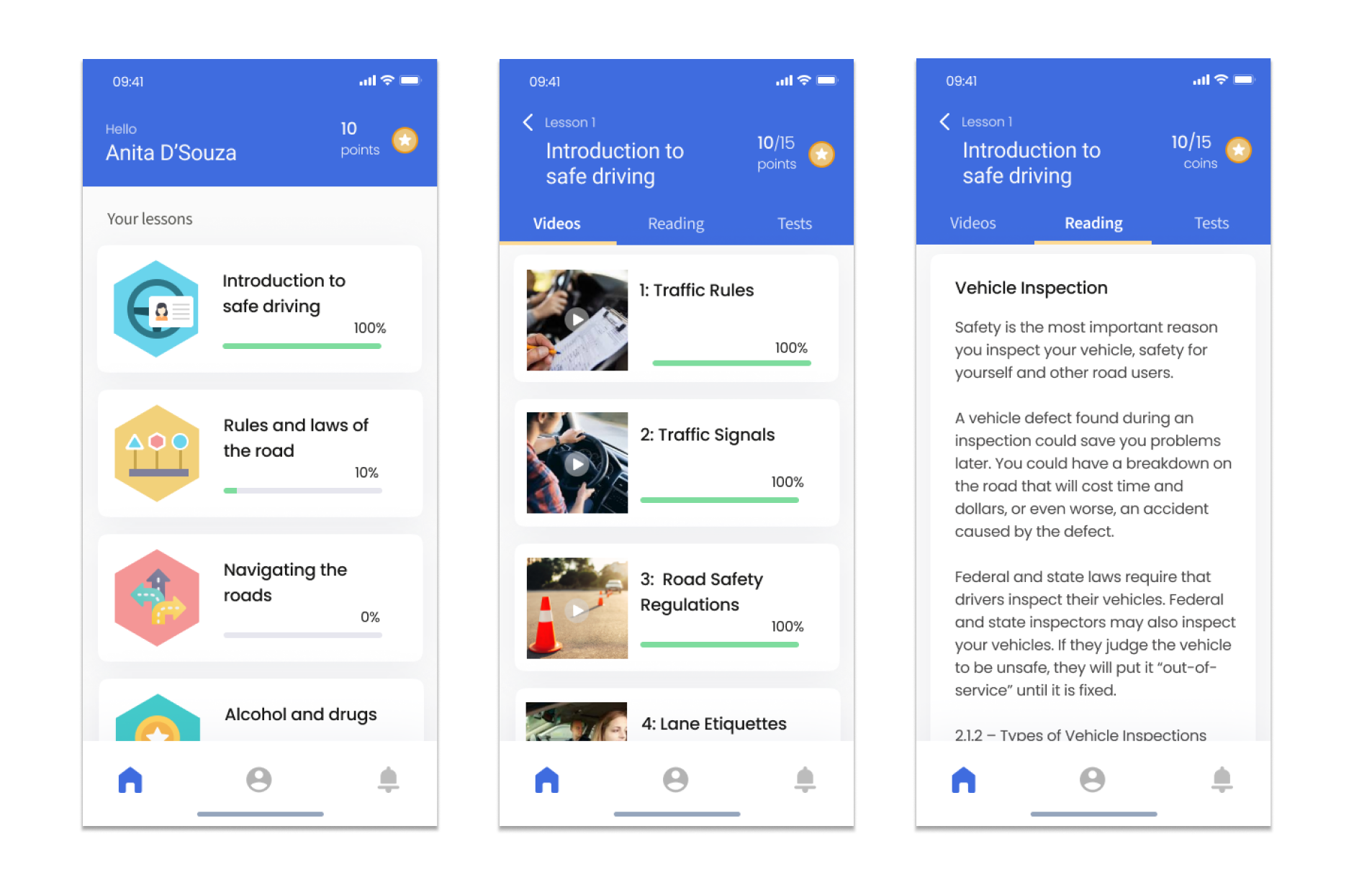
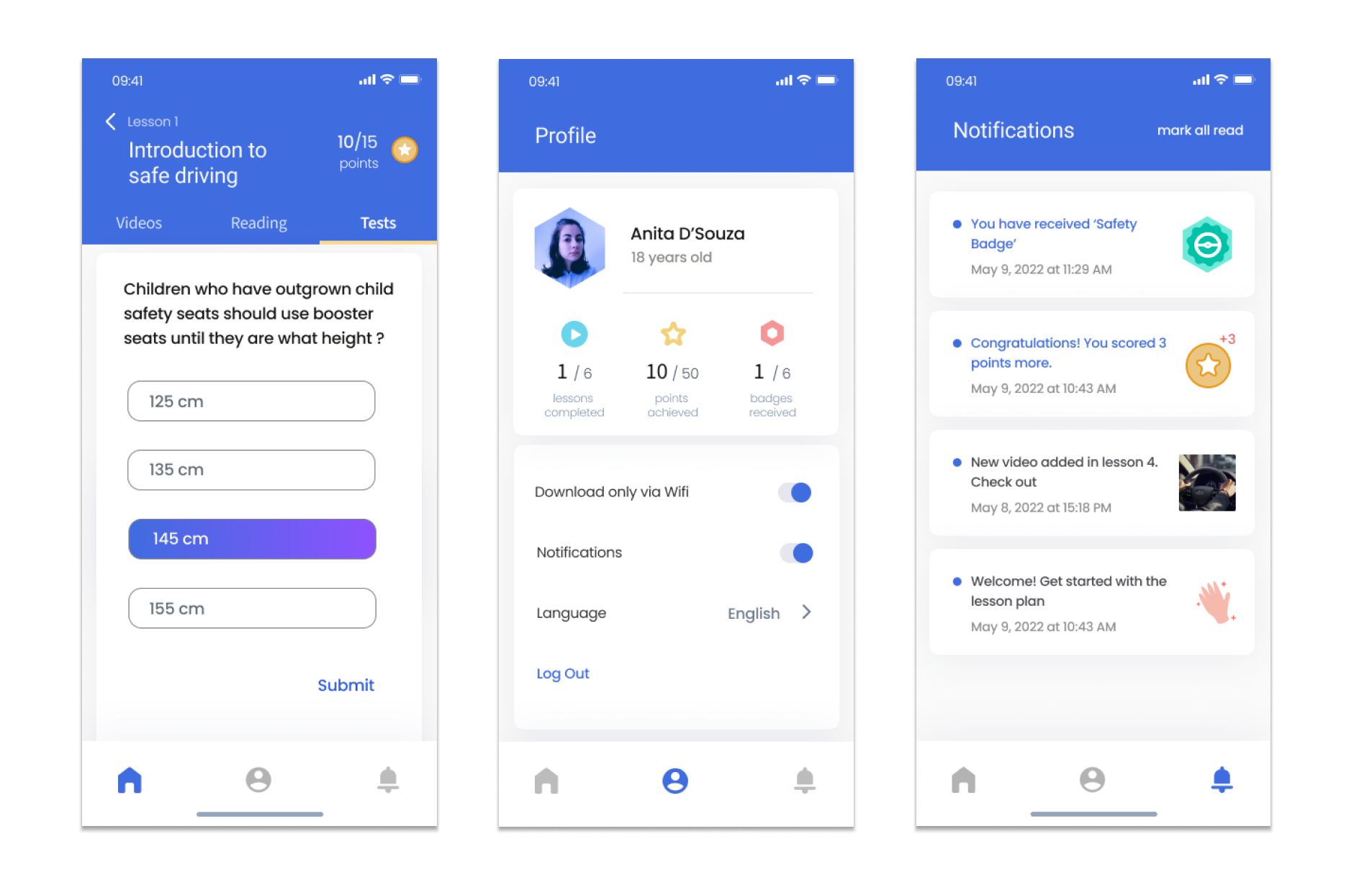
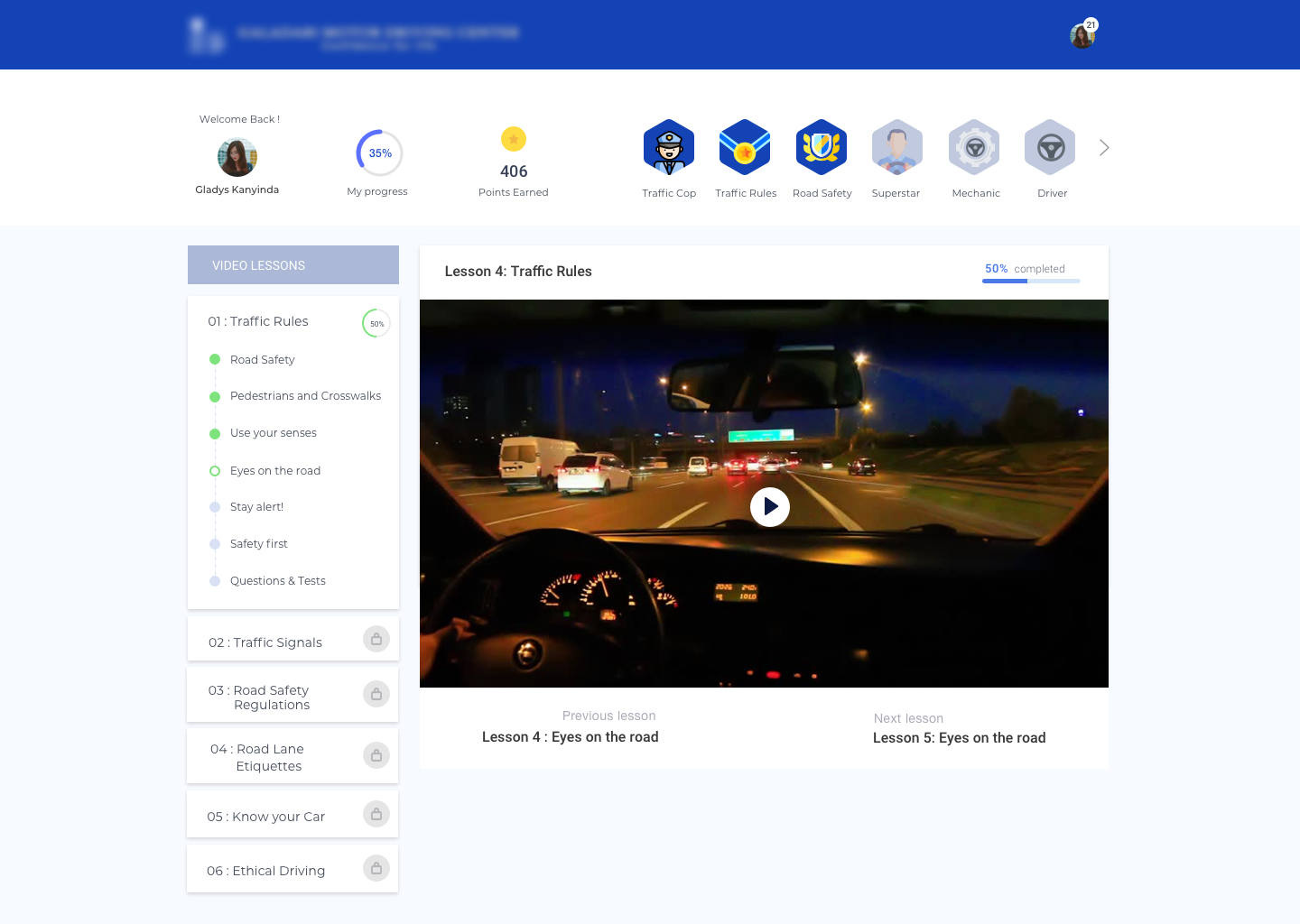
I was tasked to design such an online learning platform for a traffic school based in India and UAE.
Goal
The goal of the project was to transform what once was an in-person practical learning into an interactive e-learning experience and facilitate user engagement and self-motivation through gamification.
Secondary Research
Most institutions and colleges had to go online and create online learning platforms to ensure continuity in learning. According to United Nations' August 2020 report, the COVID19 pandemic has disrupted 1.6 billion learners from data gathered across 190 countries, impacting 94% of the world's student population.
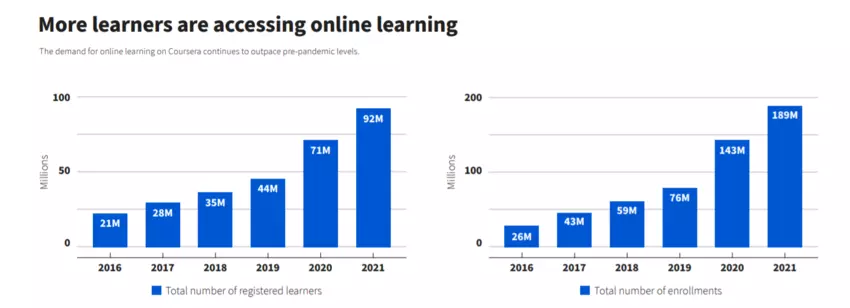
Hence, it is no wonder that lately a lot of new online learning platforms as well as of enrollment has increased drastically. Online learning platform Coursera has released its 2021 Impact Report, which shows more than 20 million new learners registered for courses in the year - equivalent to total growth in the three years pre-pandemic.
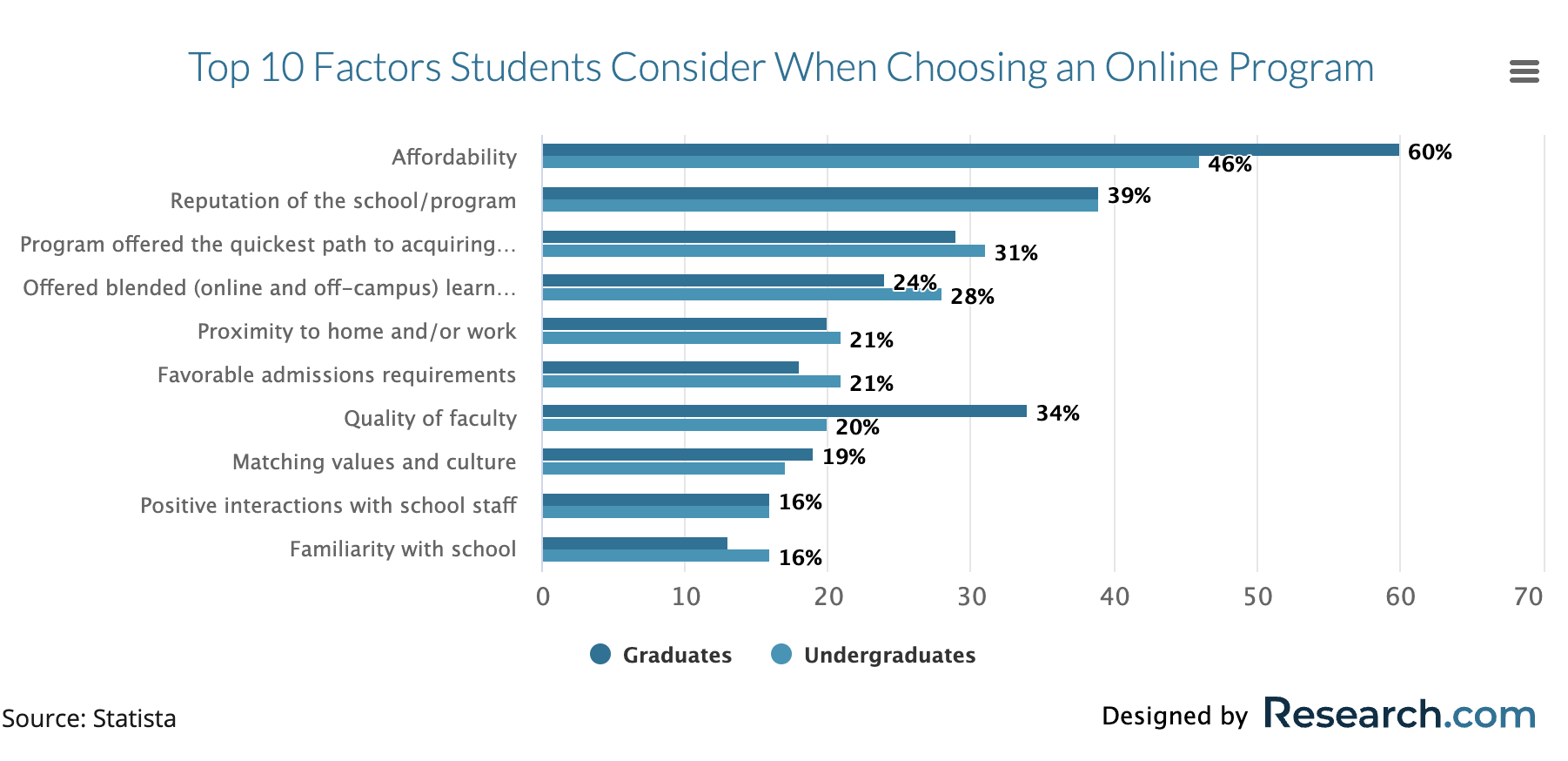
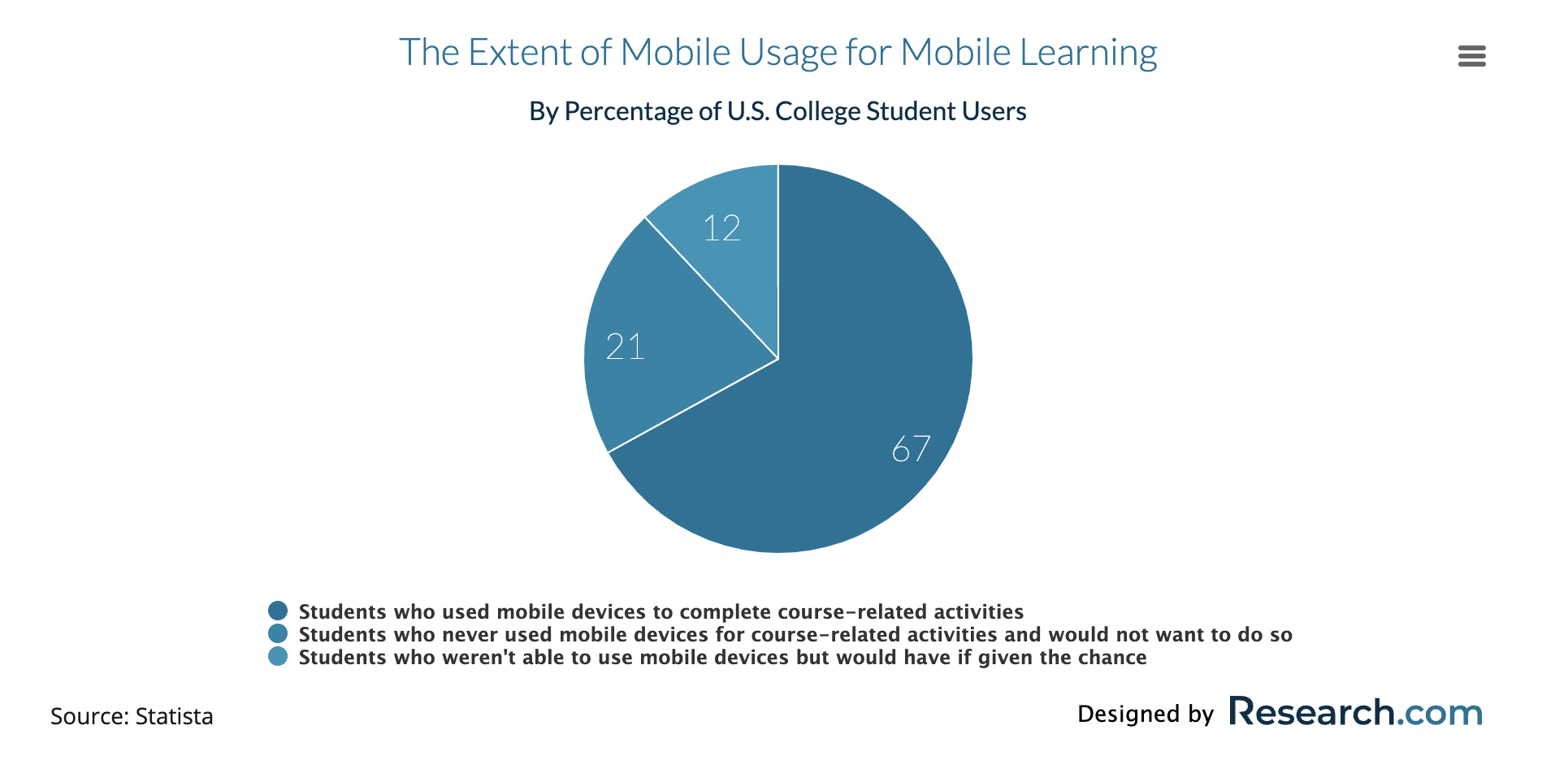
With many new e-learning platforms popping up every day and choices between mobile and web-based learning, students have a wide variety of options to choose from. I wanted to dig deeper and better understand what are the factors that students consider while making a decision to enroll in a particular program, as well as their preference between web and mobile medium for learning.
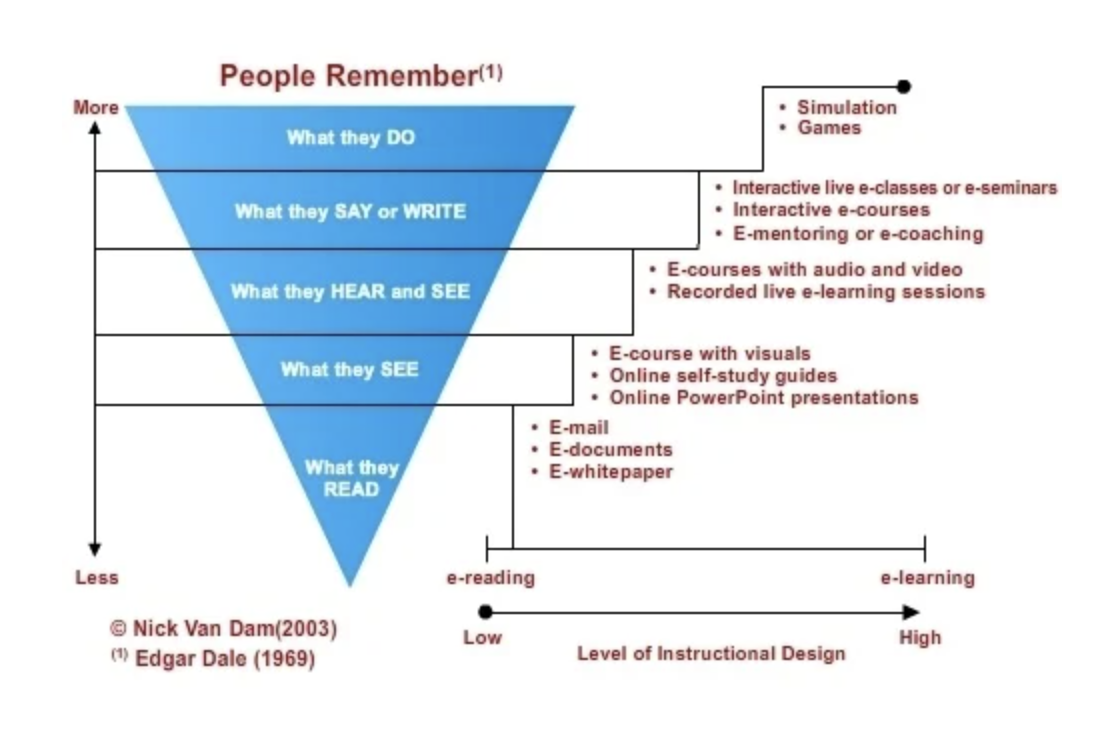
I looked up some articles to find psychology backed best practices to study. I noted some of them down that might be relevant to online learning.
- spaced learning.
- taking practice tests.
- taking quizzes.
- learning some material through different types of media like paper, videos, peer discussions.
I wrote down random things I like and dislike about some of the online learning platforms I had taken some courses in the past.

Competitive Analysis
I wanted to see who else there also has been offering the same kind of e-learning platform. I didn't find many players on the scene. The ones I found while researching are :
– Belhasa Driving Center
- Alahildubai
- ABCDriveSafe
User Interviews
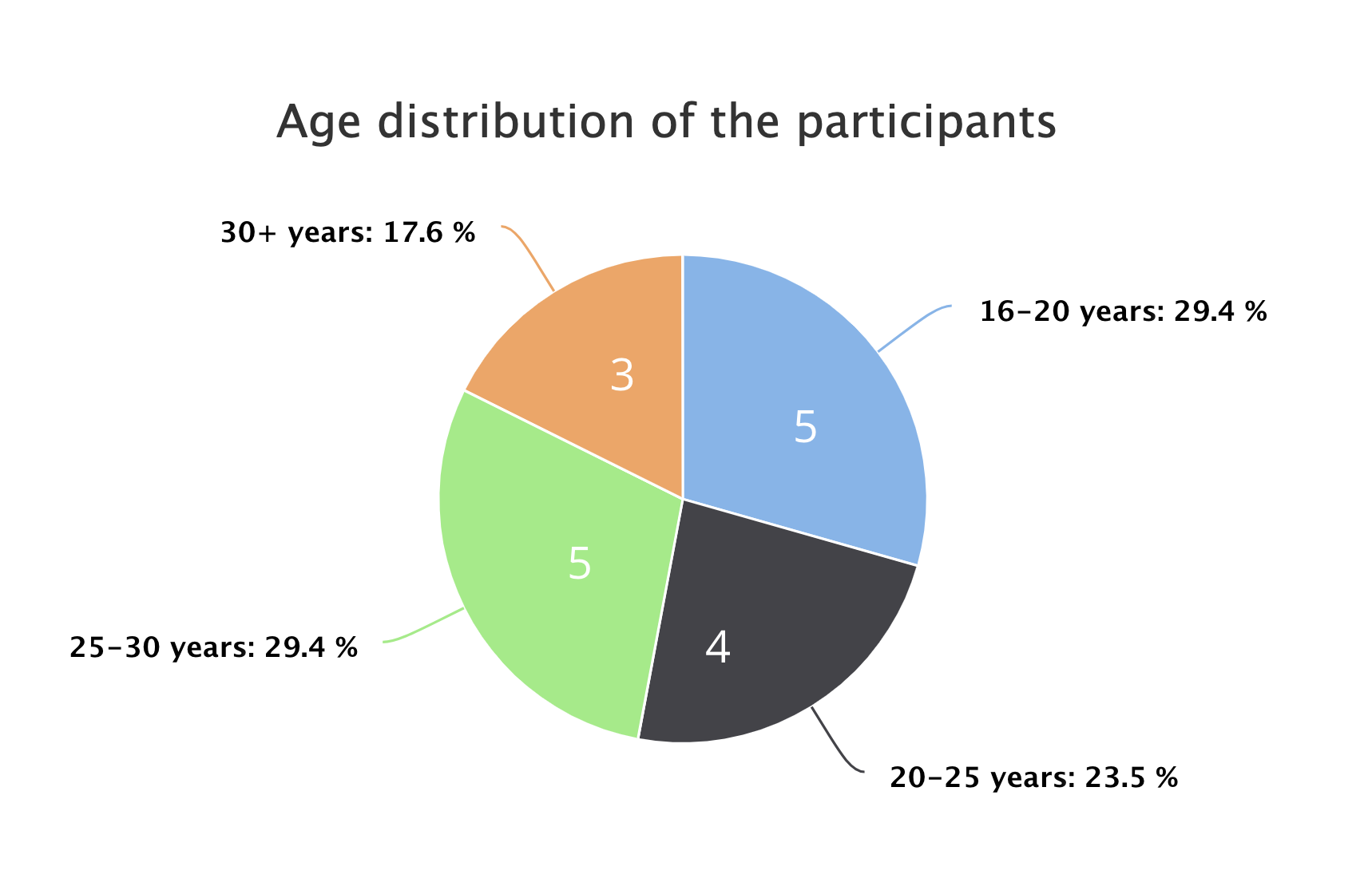
I interviewed 17 participants on the phone to understand their views, attitudes, and pre-dispositions towards online learning platforms. I asked them all a standard set of questions and some follow-up questions based on their answers.
1. Have you taken an online course before ?
2. If yes, did you complete it ?
3. Do you prefer online or in-person lessons for a traffic school ?
4. Which platform would you prefer - web or mobile ?
5. What factors do you consider when making the decision to enroll ?
15 out of 17 participants had taken an online course before either because their education institution shifted to online or to gain some certification or skill to progress in their jobs, or to acquire new skills. 12 out of 15 of those participants had managed to complete their course.
7 of the participants preferred only web platform and 3 of the participants preferred mobile. The remaining 7 preferred both mediums.
14 out of 17 participants were open to learning traffic rules and driving basics on an e-learning platform. The factors that the participants considered before making the decision to enroll were the t curriulm, the prominency of the certification in the job market, the duration of the courses, and the affordability.
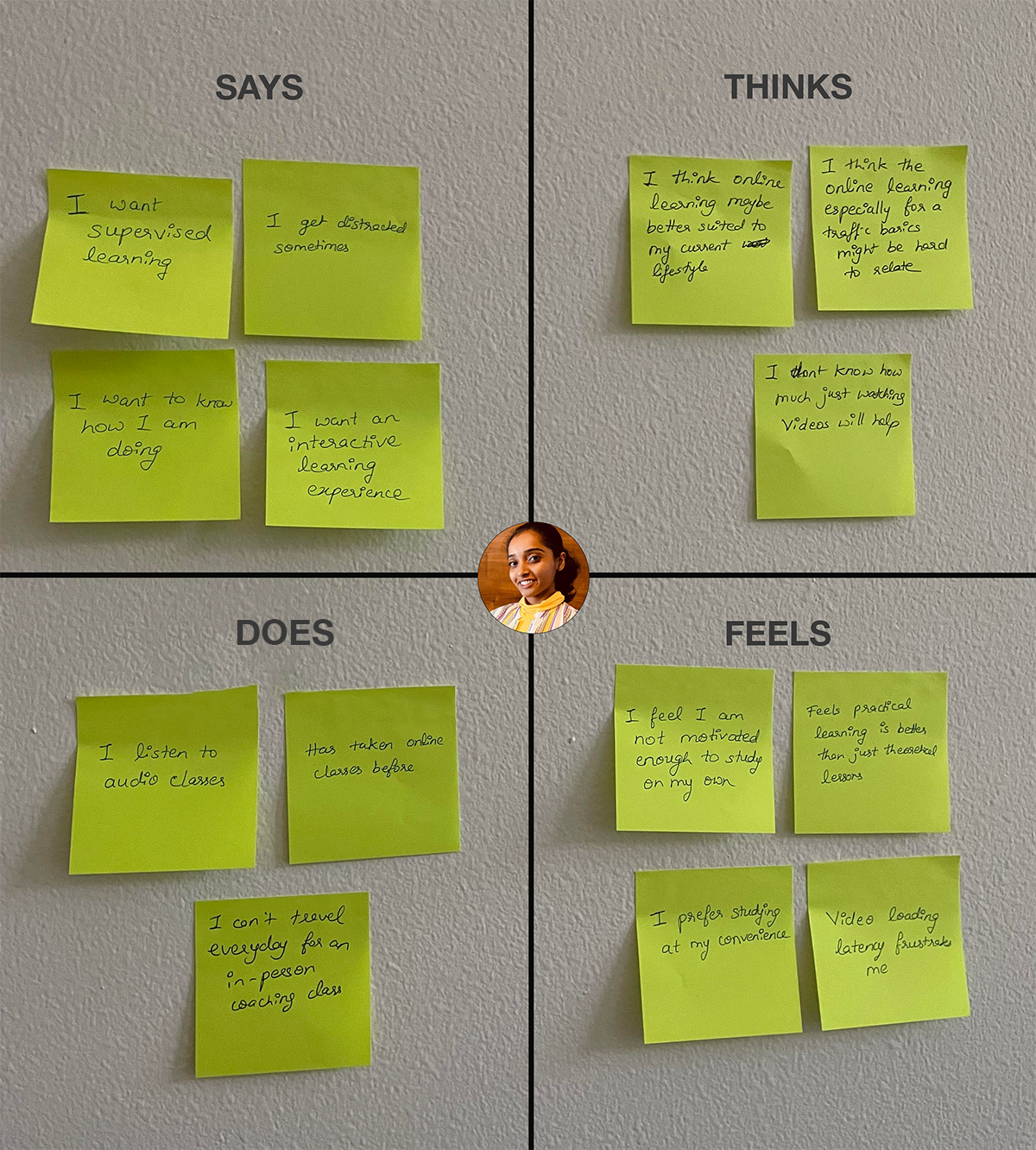
Challenges discovered during User Survey and Research :
1. Lack of acceptance : Online leaning platforms have found their way into the homes of students only in recent times. It will take some time for everyone to adopt and adapt to this new method of education impartation.
2. Lack of infrastuture : Access to a smartphone and good internet or wifi is needed. According to an article in Bussiness Standard, India has 750 million smartphone users. In fact, during the pandemic, most of the new subscribers of smartphones were school children. In an unprecedented move, lot of schools started imparting education through WhatsApp and Zoom classes.
3. Isolated Learning : During my user surveys, the topmost concern that most of the participants raised was that they would much prefer learning traffic rules and driving in person rather than on an e-learning platform, but most of the participants were willing to give it a try. Learning in the form of traditional teaching and e-learning both require self-discipline, motivation and acceptance of the methodology, whereby e-learning – insofar as it is used in isolation – relies more on intrinsic motivation.
User Persona
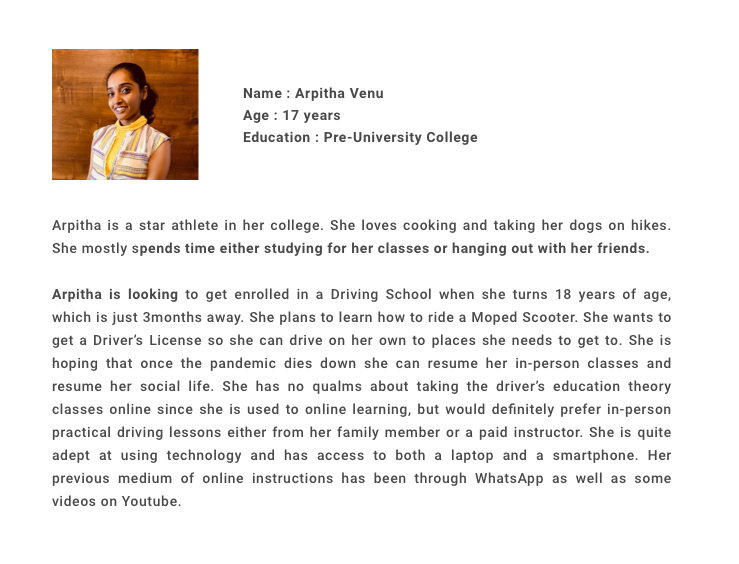
Though I had a sample of age groups to pick, I picked one participant who is 17 years old because most of their customers generally tend to be younger than 21 years.